
British Shorthair vs. Scottish Straight: Which Is Right for You?
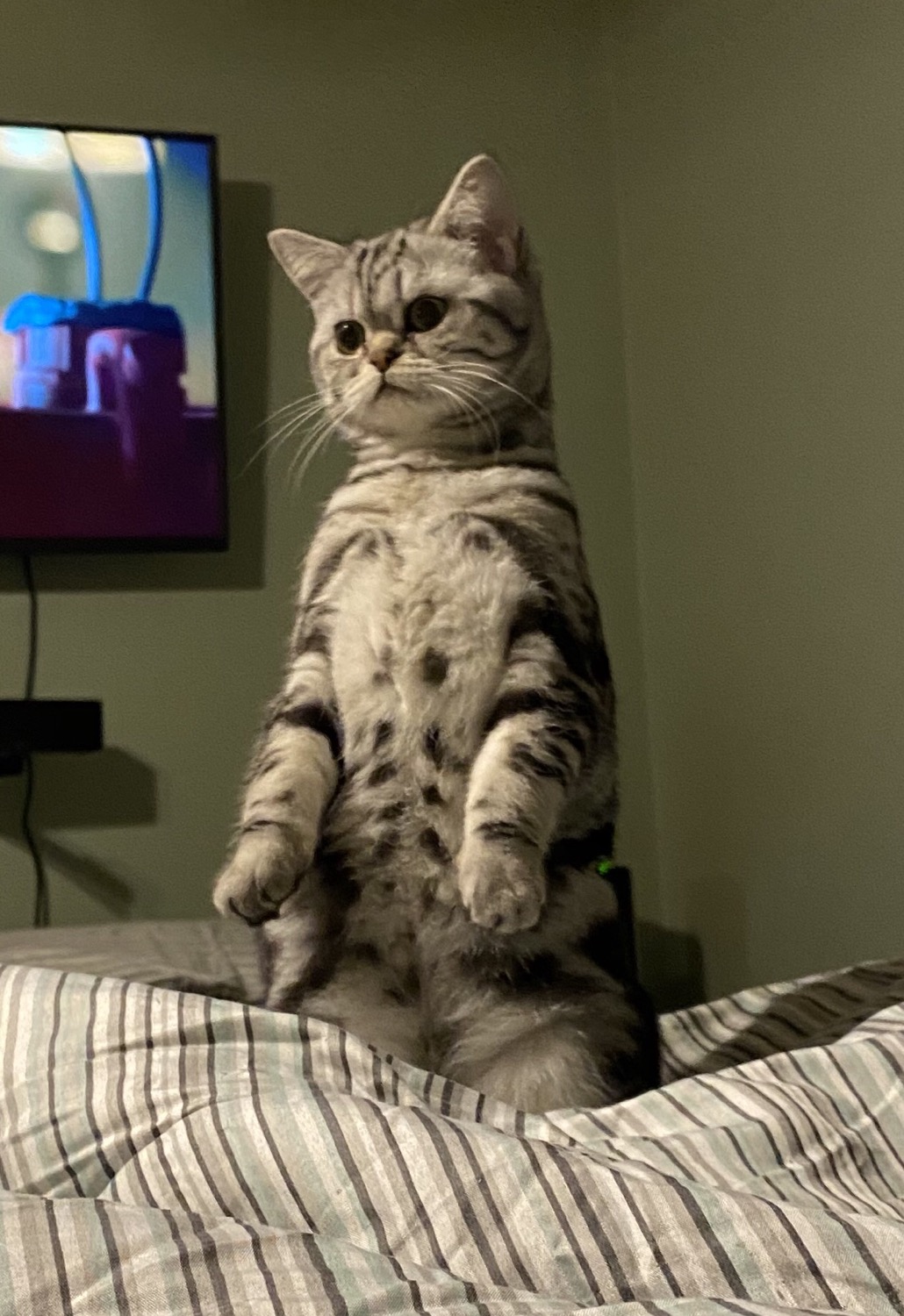

British Shorthairs and Scottish Straights can both appeal to families who love round faces and an affectionate companion. The best choice depends on the individual kitten, your daily routine, and the kind of interaction you enjoy.
TMZ Kittenz N Katz raises both breeds in Gainesville, Georgia. Understanding their general traits can help you decide which kittens to meet, while remembering that a breed description cannot predict every personality.
British Shorthair personality and appearance
TICA describes the British Shorthair as a sturdy, compact cat with a dense short coat. These cats are often calm and affectionate without constantly demanding attention. Many enjoy sitting near their people and prefer keeping their feet on the ground to being carried.
If you picture a companion relaxing beside you while you work or read, a British Shorthair may be worth considering. Ask how a particular kitten responds to handling and play rather than assuming every British Shorthair will behave alike. TICA British Shorthair profile
Scottish Straight personality and appearance
The Scottish Straight has upright ears and belongs to the Scottish breed group. TICA describes these cats as curious, intelligent, and attached to their families. They may enjoy following people around the house and participating in everyday activity.
Scottish Straights come in shorthaired and longhaired varieties. Ask about the kitten’s coat length and grooming needs, especially if you are comparing it with a British Shorthair. TICA Scottish Straight profile
Which fits your household
Think about what a normal week looks like in your home. Do you have time for daily interaction? Are your children learning how to handle a kitten gently? Can your existing pets be introduced gradually?
Neither breed should be chosen solely because someone calls it easygoing. A kitten still needs supervision, opportunities to play, and places to rest undisturbed. Tell the breeder about your household and ask which available kitten seems most comfortable with a similar level of activity.
If being held is especially important to you, say so. Choosing a kitten whose observed behavior suits your expectations is more useful than relying on appearance alone.
Compare grooming and everyday care
A British Shorthair’s dense coat benefits from regular combing, with extra attention during shedding periods. A longhaired Scottish Straight will generally need more coat maintenance than a shorthaired kitten.
Ask the breeder to demonstrate the kitten’s grooming routine. Starting with gentle, brief sessions can help you learn what the kitten tolerates. Discuss nutrition, weight, dental care, and preventive care with your veterinarian for either breed.
Ask about health and family history
A Scottish Straight is not a British Shorthair simply because both have upright ears. Confirm the registered breed and parentage rather than judging from a photo.
For Scottish-line kittens, ask about relevant genetic testing, including the TRPV4 fold variant. UC Davis explains that this variant affects cartilage and bone and offers testing appropriate for Scottish Straights as well as Folds. Ask for actual results and veterinary interpretation; ear appearance alone should not replace a health discussion. UC Davis Veterinary Genetics Laboratory
For either breed, request veterinary records and information about the parents’ health screening. No registration certificate substitutes for those records.
Meet the individual kitten
The right match is a kitten whose needs you can meet for years to come. Explore TMZ’s available kittens, or call 678-617-1034 to discuss British Shorthair and Scottish Straight availability and arrange a visit.